
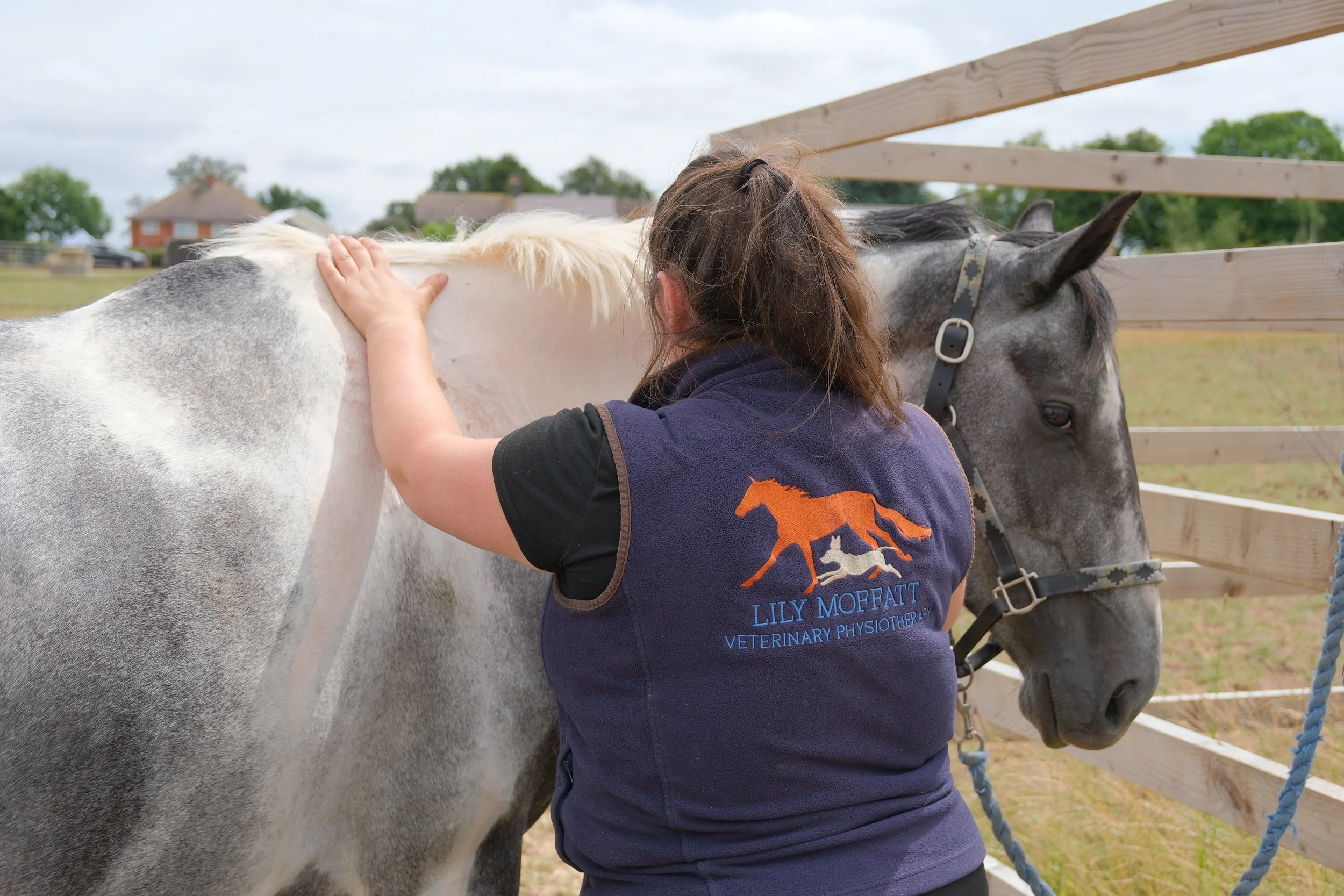
Grounded in evidence-based science, veterinary physiotherapy takes a whole-animal, holistic approach to care. Every treatment plan is built on sound clinical reasoning and tailored specifically to the individual patient, always working under official veterinary referral.
Far from being an alternative treatment, physiotherapy serves as an essential partner to conventional veterinary medicine. It plays a critical role in long-term rehabilitation, chronic condition management, and high-level performance development for both companion and working animals.
By working alongside primary veterinary care, physiotherapy targets the root causes of physical discomfort. Treatment aims to significantly reduce pain, restore fluid movement, and rebuild normal muscle control and function following musculoskeletal or neurological injuries.
For competitive and working animal athletes, regular physiotherapy is equally vital for performance optimisation. Tailored conditioning helps maximise movement efficiency while actively minimising the risk of future injury, keeping your animal performing safely at their absolute best.
What is Veterinary Physiotherapy?
How do I know if my animal needs Physiotherapy?
Animals can’t tell us where their pain is or if they have injured themselves and they are often clever at hiding their discomfort. Your veterinarian will often give you a diagnosis and veterinary physiotherapy can then be used to help your animal to recover using direct musculoskeletal treatment and personalised exercise programmes.
Behavioural changes and abnormal gait patterns can be caused by pain, muscle weakness or joint stiffness. Noticing these changes in your own animal quickly and being proactive to find help in the form of veterinary physiotherapy can improve the prognosis of returning to normal function.
Additionally, your animal may have suffered a direct injury or had surgery and may need rehabilitation to get back to its previous level of performance/workload or to return to enjoying life the best they can.
What can I expect?
Veterinary Physiotherapists are highly skilled in a variety of different treatment techniques. After having carried out a thorough assessment of your animal, they may typically use a combination of the following approaches in order to help with any problems identified:
1. Manual therapies: these include a wide variety of different massage and soft tissue techniques, joint mobilisations or manipulations, myofascial release, stretches etc.
2. Electrotherapies: the use of therapeutic machines such as ultrasound, laser, pulsed electromagnetic field therapy, H-wave, TENS, interferential, microcurrent, and electrical muscle stimulation.
3. Remedial exercise programmes: individual exercise programmes are utilised to help to encourage correct movement patterns and improve muscle strength, endurance, suppleness, proprioception (the animal's awareness of where it's limbs and body are in space), balance and stability as may be required.
4. Management advice: frequently owners may need additional advice on therapeutic handling of their injured animal, or perhaps how to make appropriate adaptations to an animal's home environment and general management in order to assist in their rehabilitation.
All animals at any age or condition can benefit from a routine veterinary physiotherapy check-up, just like when you have your animals annual health check. Prevention is always better than cure and early intervention can reduce long-term compensatory issues. If your animal is unfortunate and has an underlying health condition then veterinary physiotherapy is a necessity.
Speak to your local veterinary professional today.

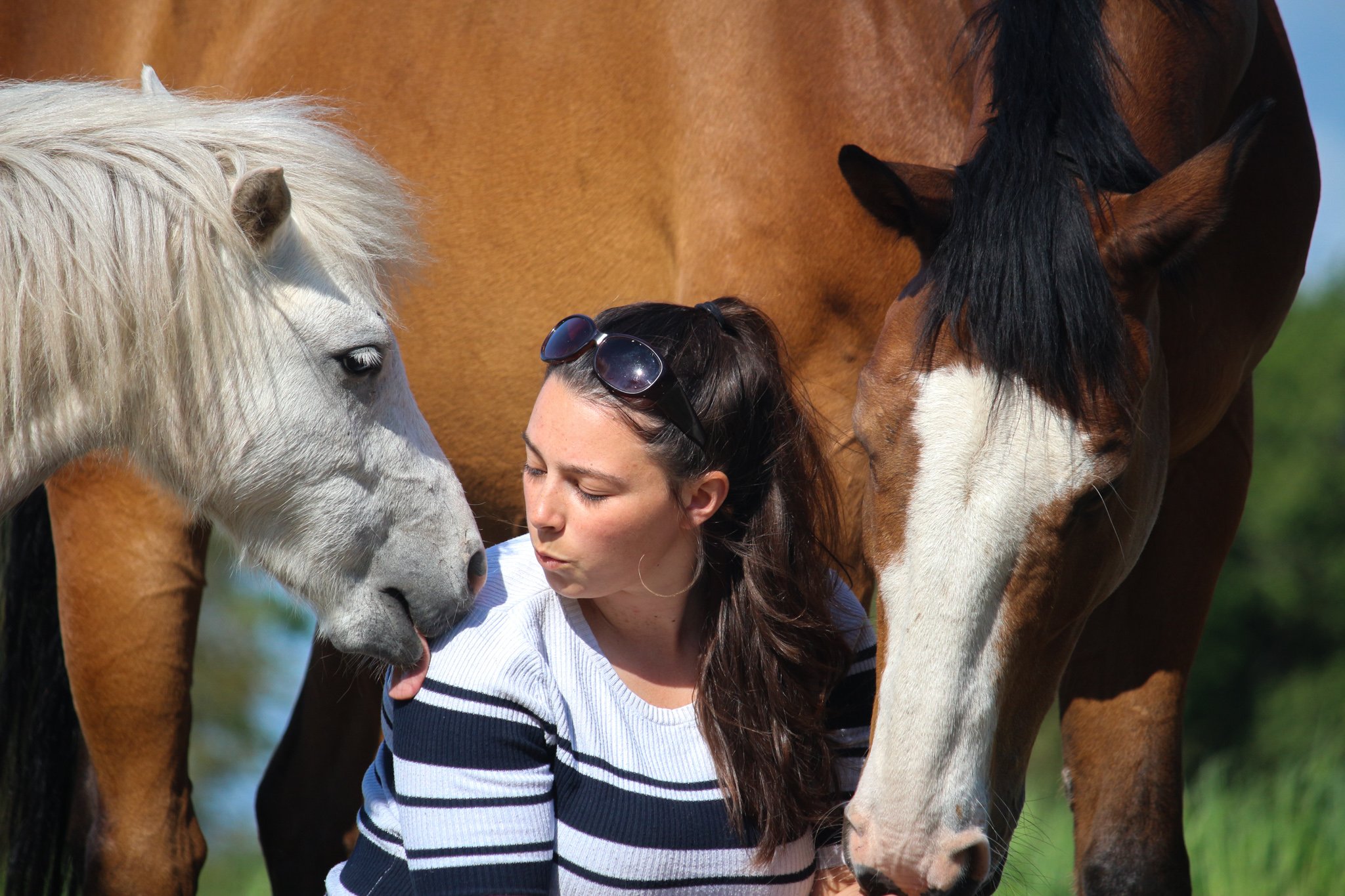
The first visit is the beginning of a long term friendship.
PERFORMANCE, REHABILITATION, EXCELLENCE.