
Electrotherapy
Electrotherapy is defined as the use of electrical energy to provide medical treatment. Depending on the machine used it stimulates the body in various different ways.
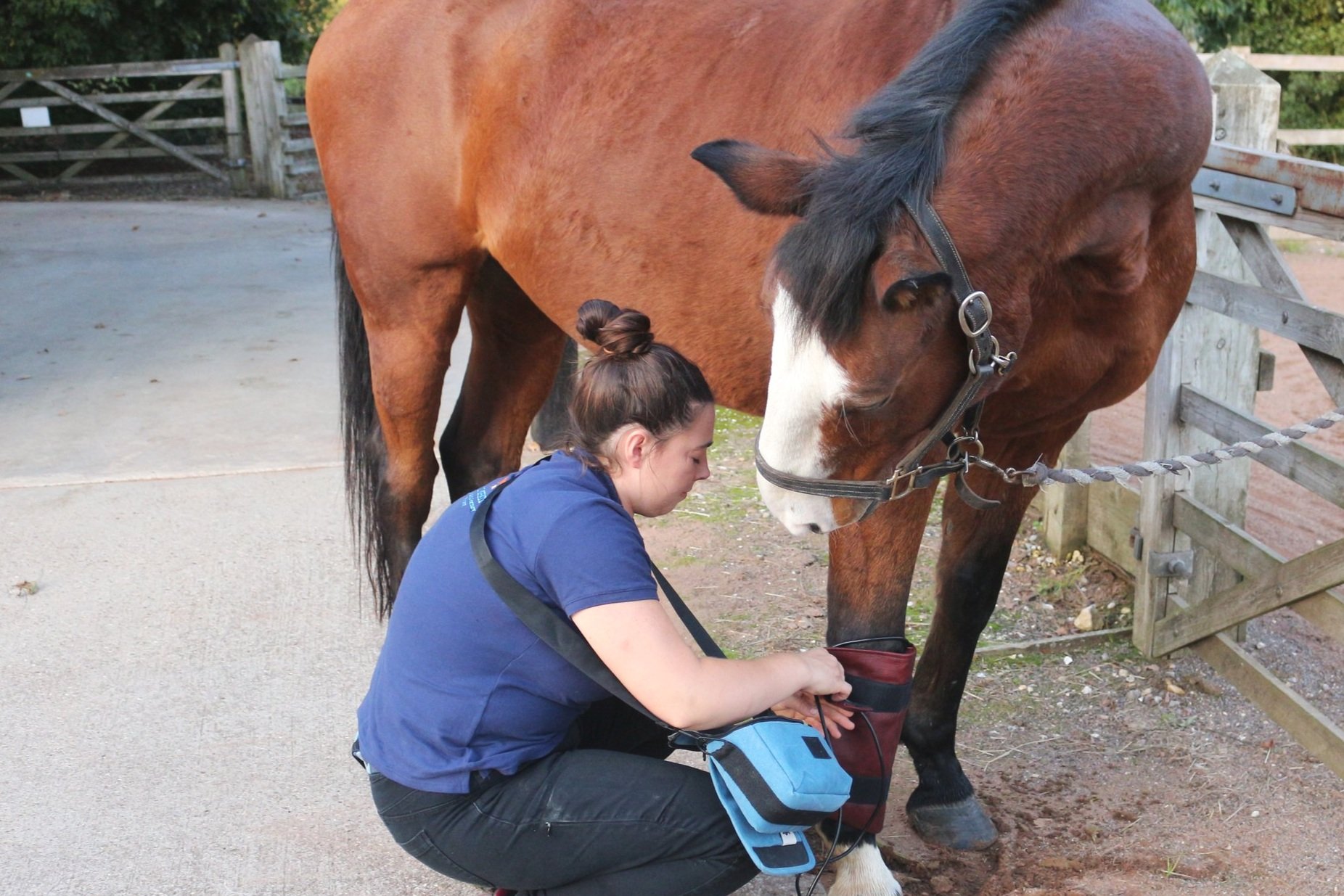
Lily Moffatt Veterinary Physiotherapy uses electrotherapy to deliver targeted energy to the body to promote healing. Electrotherapies included in each treatment are Laser , Pulsed Magnetic Field therapy (PMFT), Low-light therapy, TENS and NMES.

Pulsed Magnetic Field Therapy (PMFT)
Pulsed magnetic field therapy
Benefits: promote and enhance healing of bone-related conditions such as splints and fractures. Reduces oedema and swelling.
PMFT can be use to treat and manage a variety of conditions such as promoting fracture healing, reducing inflammation, reducing pain and stimulating nerves. All animals can appreciate the relaxing effects of PMFT and often immediate effects can be seen during treatment.
See more at: http://www.westvilletherapy.com/

Class 3B Laser
We will often use the laser in our sessions where appropriate.
Laser therapy is a non-invasive treatment which stimulates connective tissue cells, improves connective tissue repair and provides an anti-inflammatory effect.
LASER is an acronym standing for Light Amplification by Stimulated Emission of Radiation, simply meaning the device produces light of a specific wave length.
Laser is used to provide quick, painless and non-invasive therapy to treat a range of conditions. With laser, inflammation is reduced as part of the optimised natural healing process so it addresses the problem rather than the symptoms as NSAIDs tend to do. When we improve the recovery time of repair, such as when treating tendon injuries, we can reduce the amount of scar tissue, reduce pain and improve healing with only a few quick treatments. From muscle spasms and bowed tendons to osteoarthritis and wound healing there is a laser therapy protocol to help. The therapy can be used in conjunction with conventional veterinary practices, or effectively alongside other complementary therapies and being drug-free it is uniquely helpful where the use of drugs are contraindicated, where an animal is drug-resistant or indeed during competition events when it remains safe, effective and legal.
Why do we use it?
- Reduce inflammation
- Pain relief
- Lymphocytes.
- Improve blood flow
- Improve tissue regeneration by stimulating fibroblasts, keratinocytes, endothelial cells and
What do we treat with laser therapy?
- Osteoarthritis
- Hip/elbow dysplasia
- Intervertebral disc disease
- Reduce inflammation
- Promote blood flow
- Improve nerve function and regeneration
- Tendonitis
- Spondylosis
- Trigger points
- Wound healing
- Post-surgical healing
- Stimulating healthy bone re-growth
- Stimulation of acupressure points
- Increase tensile strength of tendons and ligaments
There are different classes of laser, we use a Class 3B via the Omega Laser system:
Class 1: Considered incapable of producing damaging radiation levels. Example- laser printer.
Class 2: Emit radiation in the visible portion of the spectrum. Hazardous if you look directly at
them for a long time. Example- laser pointer.
Class 3a: Usually won’t produce injury if viewed only momentarily with the unaided eye. Example-
Omega laser with 1-5 milliwatts (mW) radiant power.
Class 3b: Can cause severe eye injury if beam viewed directly or specular reflections (off a
shiny surface) viewed. Not normally a fire hazard. Example- visible omega lasers 5-500 mW.
Class 4: A hazard to the eye from direct, specular and sometimes diffuse reflections. Can start
fires and damage skin. Used in surgeries
NMES and TENS
Neuromuscular electromagnetic stimulation (NMES)
NMES assists in building and strengthening muscle, especially in cases where the animal has a degree of muscle atrophy.
NMES works to tone specific muscles by causing an electrical impulse to the muscle causing the muscle to artificially contract. This can help spark the muscle to re-activate.
With both TENS and NMES electrodes are placed on the animal. The machine will then deliver an electrical current. When the machine is on, the impulses pass through the electrodes into the body, causing a tingling sensation or contraction.
Transcutaneous electrical nerve stimulation (TENS)
TENS is most commonly used for long-term pain such as joint pain, pain related to osteoarthritis, or muscular pain.
TENS works to stimulate the sensory nerves to block the pain gait pathways for up to 24hrs post-treatments. Effects can be seen immediately.


What conditions can benefit from electrotherapies?
Osteoarthritis
Tendon/ligament/muscle injury
Splints/hock spavin/ bony changes
Chronic pain
Odema
Muscle wastage
Post-surgical pain management
… And so much more!