Why Your Horse Needs an Autumn Physiotherapy Check-Up and Preparing for the UK Winter Shift
As October brings cooler, crisp mornings, changing pastures, and increasing mud across the UK, equine routines undergo their biggest transition of the year. We swap light summer sheets for heavy turnout rugs, bring horses in for longer stabling hours, and adapt to rapidly shifting ground conditions.
While autumn is a beautiful season for hacking through fallen leaves, these sudden environmental and routine changes place significant, unique physical demands on your horse's body. Combining veterinary biomechanics with targeted physical therapy demonstrates why an autumn check-up is one of the most proactive investments you can make for your horse’s comfort, performance, and long-term musculoskeletal health.
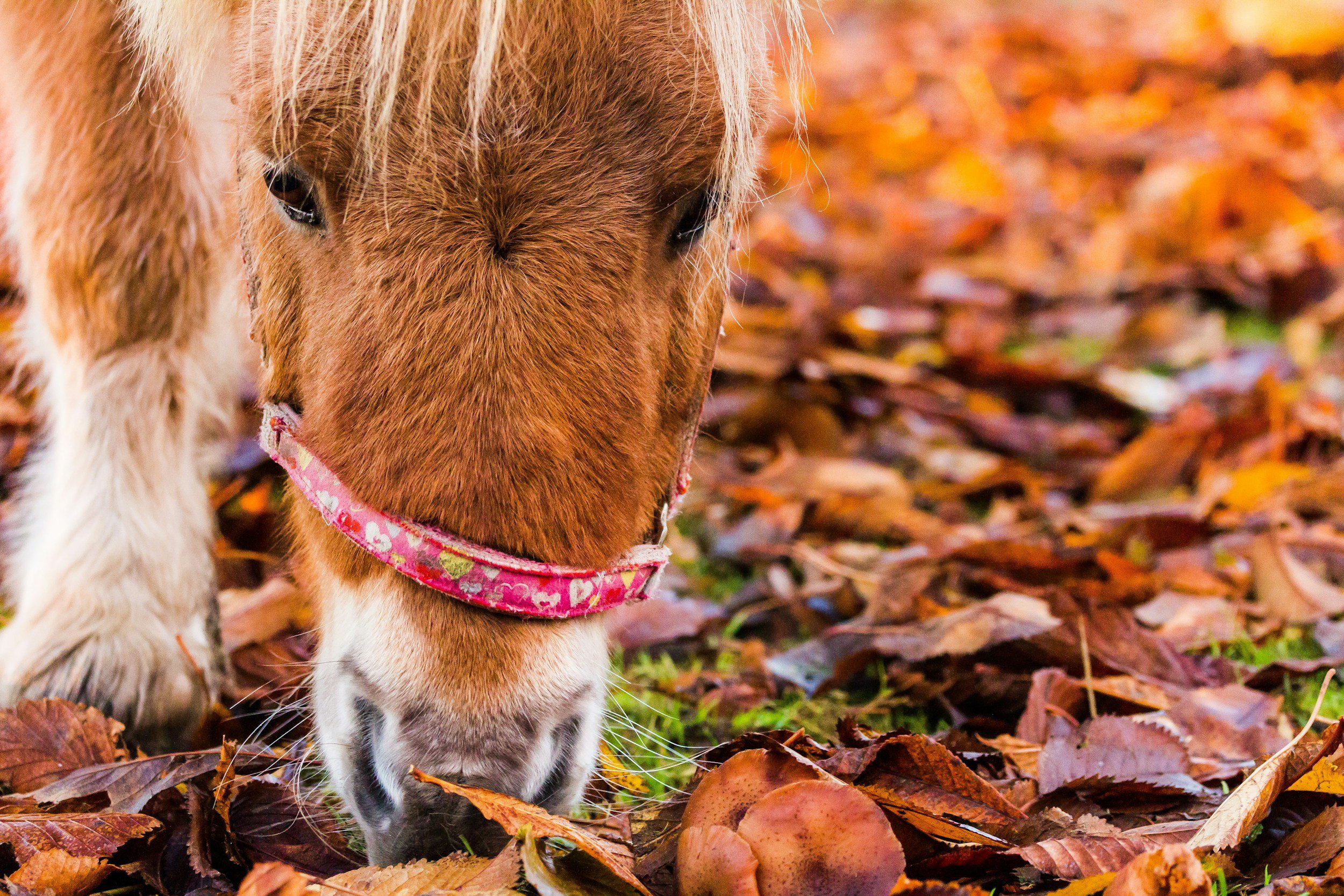
The Seasonal Shift: How Autumn Impacts Equine Biomechanics
1. Navigating Deep Mud and High-Cohesion Ground
UK autumn weather inevitably brings wet, heavy soil. Locomotion on suction-like, unyielding footing alters the spatial-temporal gait parameters of the horse, requiring a dramatic increase in energy expenditure and joint torque. As a hoof sinks into deep mud, the stance phase of the stride is artificially prolonged, placing intense mechanical strain on the flexor tendons, suspensory apparatus, and deep digital flexor tendon (DDFT).
Furthermore, slipping in muddy gateways or making rapid turns on slick grass frequently induces asymmetrical forces across the pelvis. This biomechanical trauma regularly leads to sacroiliac (SI) joint dysfunction, compensatory strain in the gluteal and adductor musculature, and micro-trauma within the stifle joints.
2. Metabolic Shifts, Pasture Changes, and Saddle Fit
The autumn "flush", a secondary surge of fructan-rich pasture growth brought on by warm days and cool nights, presents a dual metabolic and structural challenge. Rapid carbohydrate ingestion can trigger systemic low-grade inflammation, leading to subtle lamellar discomfort in the hooves long before clinical laminitis becomes obvious. To compensate for foot sensitivity, horses alter their weight distribution, shifting load posteriorly or tense their thoracic muscles.
Conversely, changes in exercise intensity and cooler temperatures cause fluctuations in body condition score (BCS) and top-line muscle mass. Research in equine saddle biomechanics highlights that even minor shifts in epaxial muscle symmetry or fat deposition fundamentally alter saddle tree pressure distribution. A saddle that fitted perfectly on a fit, summer-toned back can quickly create focal pressure points over the thoracic spine and scapulae as top-line volume changes in autumn.
3. Stabling, Reduced Movement, and Joint Viscoelasticity
Decreased turnout during waterlogged months restricts natural, low-intensity movement. Synovial joints rely on continuous, cyclic weight-bearing to pump nutrient-dense synovial fluid across articular cartilage. Extended periods of standing still in a stable decrease joint fluid viscosity, leading to stiffness and reduced range of motion, particularly in aging horses or those managing chronic osteoarthritis.
When horses are suddenly turned out after hours of confinement, explosive bursts of play on cold, unconditioned tissues present a prime scenario for acute soft-tissue injury. Unwarmed tendons and ligaments possess lower elastic limit thresholds, making them significantly more vulnerable to strain under sudden, high-velocity forces.
4. Rug Mass and Spinal Kinematics
Layering heavy, waterproof turnout rugs protects horses against rain and wind chill, but the physical weight and mechanical design of heavy winter rugs alter spinal kinematics. Kinematic studies measuring back movement demonstrate that heavy or ill-fitting rugs exert continuous downward pressure over the withers and thoracic vertebrae while restricting protraction of the scapula.
Over prolonged periods, this constant restriction inhibits normal lateral bending and axial rotation of the spine. The result is hypertonicity in the trapezius, rhomboideus, and longissimus dorsi muscles, leading to chronic back stiffness and hyper-sensitivity along the spine.
What an Autumn Physiotherapy Assessment Achieves
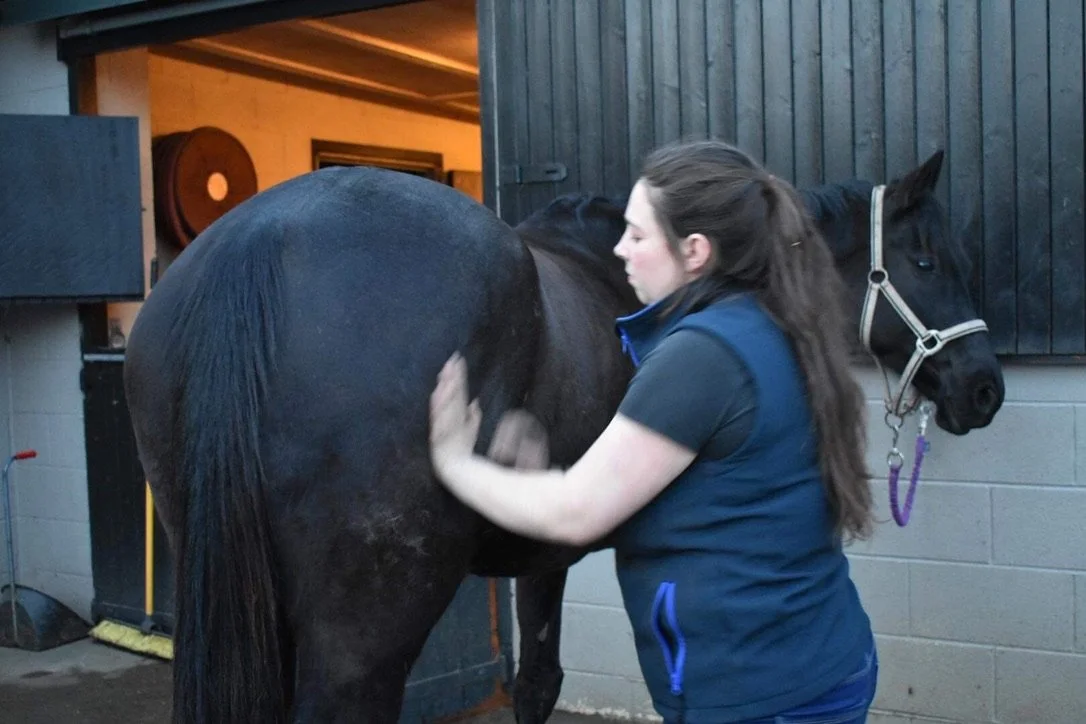
An equine physiotherapy assessment resets your horse’s body after summer ridden work while systematically preparing their musculoskeletal system for the demands of winter.
Releasing Cumulative Summer Tension: Months of hard summer ground, intense training, or competing leave lingering compensatory muscle guarding in the back, pelvis, and poll. Releasing these myofascial restrictions prevents focal soft-tissue tightness from converting into chronic, altered movement patterns.
Early Detection of Soft-Tissue Micro-Strains: Detailed manual palpation catches subtle pelvic asymmetries, joint stiffness, and minor tendon or ligament strain caused by early-autumn slips before they manifest as overt clinical lameness.
Dynamic Saddle & Rug Assessment: Evaluating back shape changes ensures saddles and turnout rugs do not create localized pressure points or restrict scapular movement as muscle mass and body condition adapt to autumn routines.
Targeted Suppling & Core Stability Protocols: You will receive customised, evidence-based rehabilitation protocols, such as targeted baited stretches (dynamic mobilisation exercises) and core-engagement exercises, proven to maintain spinal flexibility, activate deep stabiliser muscles (like the multifidus), and combat stable-induced stiffness.
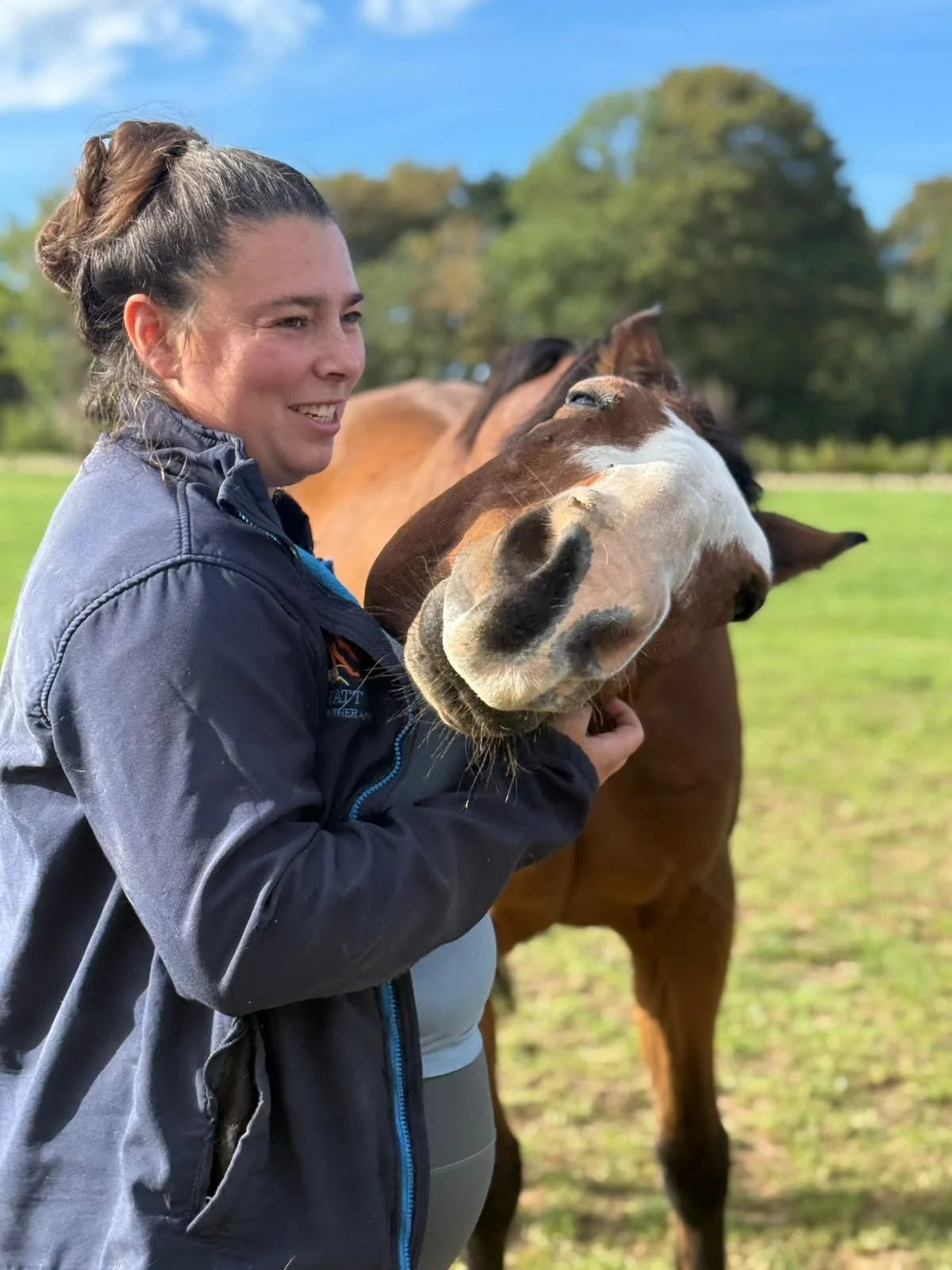
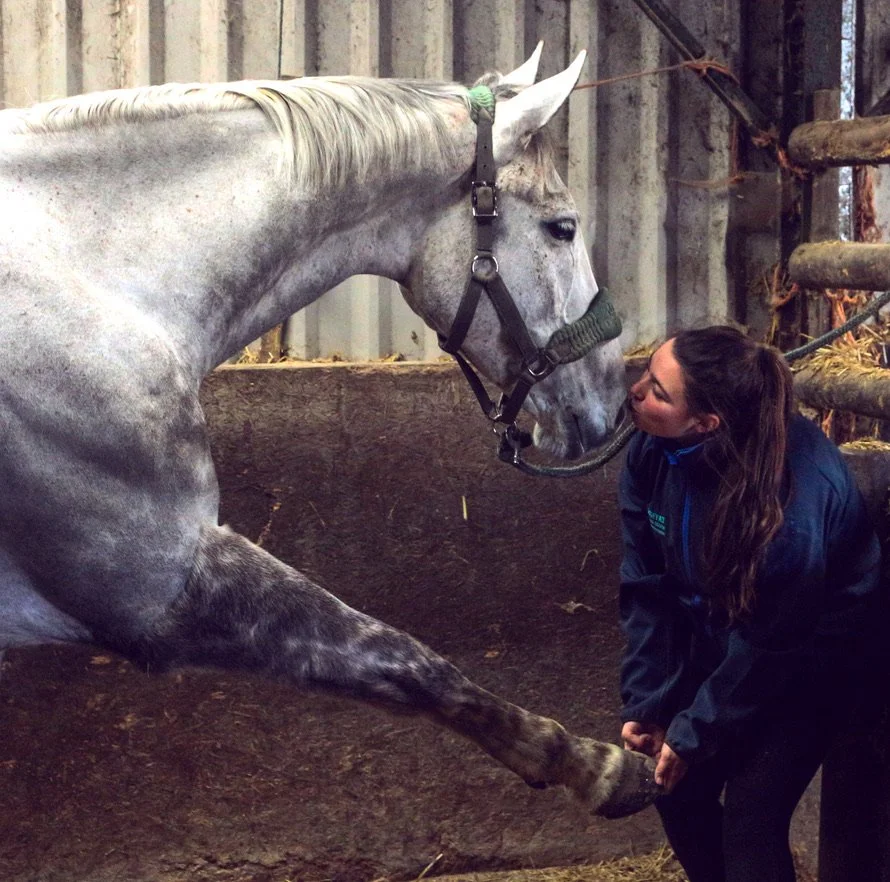
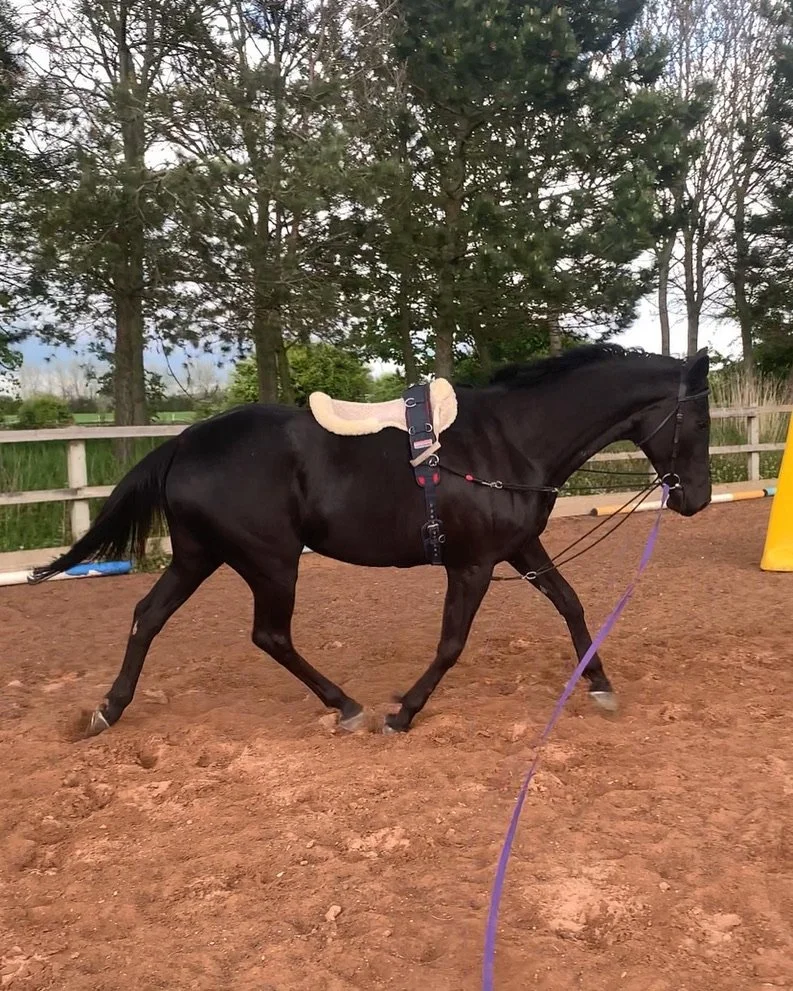
Signs Your Horse Requires an Autumn Assessment
Watch for these subtle behavioral and physical indicators that your horse is struggling to adapt to seasonal physical stress:
Altered Ridden Performance: Reluctance to move forward freely, loss of impulsion, or difficulty maintaining rhythm in the arena.
Stiffness Out of the Stable: Taking longer to warm up, showing shortened stride lengths during early morning work, or exhibiting generalized joint stiffness.
Girth and Rug Sensitivity: Pinning ears, swishing the tail, or dipping the back when being girthed or when rugs are placed over the withers and back.
Gait Asymmetry in Mud: Reluctance to walk through heavy ground, or noticeable stiffness and shortened strides when navigating gateways and paddocks.
Unilateral Resistance: Sudden stiffness or difficulty bending to one side during ridden work, or resistance to soft rein contact.
Give Your Horse the Best Start to Winter
Taking a proactive, scientifically backed approach in autumn ensures your horse enters the winter months feeling comfortable, balanced, and resilient. Whether you are maintaining a full winter ridden schedule or giving your horse a well-earned seasonal break, a targeted physiotherapy check-up sets them up for peak health and performance.
👉 Ready to get your horse winter-ready?